Column · @josueukbv870
How Pest Control Services Sussex County Help Prevent Structural Damage
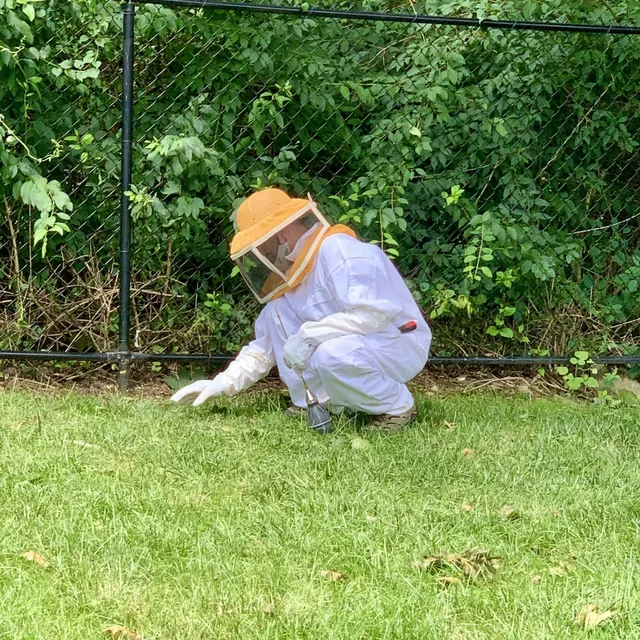

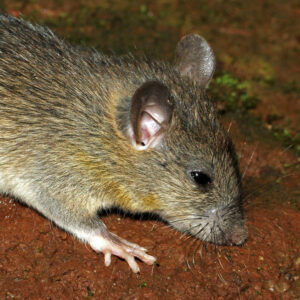
A pest problem is rarely just a pest problem. By the time a homeowner notices a line of ants, a soft spot near a window, or scratching in an attic at night, there is often a second issue developing in the background: damage to the building itself. That is where experienced local pest work matters. The job is not limited to removing insects or trapping rodents. Done properly, pest control protects framing, insulation, wiring, subfloors, trim, roofing materials, and the hidden systems that keep a house sound.
In Sussex County, that connection is especially important because many properties face a mix of conditions that pests exploit easily. Moisture around crawl spaces, older wood structures, seasonal weather swings, coastal humidity in some areas, and wooded lots all create entry points and nesting opportunities. A good technician does more than treat an infestation. They read a structure the way a carpenter, maintenance manager, or building inspector would read it, looking for the weak spots pests tend to turn into expensive repairs.
Structural damage usually starts where nobody is looking
Most destructive pest activity begins out of sight. Termites work from behind walls or below grade. Carpenter ants often hollow damp wood from the inside out, leaving the outer surface looking intact longer than most people expect. Rodents travel through attics, garages, crawl spaces, and utility penetrations, chewing materials along the way. Even stinging insects can create trouble when colonies build up inside soffits, wall voids, and rooflines where moisture and repeated disturbance can compromise building components over time.
Homeowners often assume that if they do not see major visible damage, the structure is probably fine. In practice, that is a risky assumption. I have seen porch posts that looked solid until a screwdriver went straight into them. I have seen rim joists weakened by years of termite feeding that only came to light during a sale inspection. I have seen mice damage insulation and wiring in attics so thoroughly that the pest issue became secondary to the electrical repair bill.
This is one reason Pest Control Services Sussex County are most valuable when they are preventive, not just reactive. A preventive inspection catches the small clues before they turn into structural work. Mud tubes on a foundation wall, blistered paint near a sill, fine sawdust from carpenter bees, greasy rub marks from rodents, or moisture buildup near a crawl space vent all point to conditions that can lead to larger damage if ignored.
Termites are the headline risk for a reason
When people talk about pests that destroy houses, termites come up first, and for good reason. Subterranean termites can feed on structural lumber for months or years before the average homeowner notices anything unusual. They do not need daylight, and they do not need a dramatic opening to get inside. A gap around a pipe, a crack in masonry, wood-to-soil contact, or a damp section of foundation can be enough.
What makes termite damage expensive is not just the feeding. It is the way the damage accumulates in critical load-bearing areas. Floor joists, support beams, sill plates, and wall studs can all be affected. In a mild case, the repair may involve replacing several damaged boards and correcting the moisture source. In a serious case, contractors may need to shore up parts of the structure before replacement work even begins.
Sussex County homes with crawl spaces, decks, wooden steps, sheds, and fence lines often have multiple risk zones. Wood elements close to the ground stay damp longer, and termites take advantage of that. In older homes, previous repairs may have created hidden transitions between original and replacement materials, which can make inspection more complicated. A seasoned pest professional knows where to probe, where to look for shelter tubes, and where moisture conditions are likely to support activity.
Treatment alone is not enough if the conditions remain attractive. The best termite prevention work pairs control with practical structural advice. That might mean adjusting grade so water moves away from the foundation, removing wood debris from the crawl space, correcting mulch depth near the house, or separating siding from soil contact. Those are not glamorous fixes, but they are often what keeps a treatment effective over time.
Carpenter ants and moisture-damaged wood often travel together
Carpenter ants do not eat wood the way termites do, but they can still cause meaningful structural deterioration. They excavate damp, softened, or decaying wood to build galleries. That distinction matters because carpenter ant activity often points to another building problem already in progress, usually chronic moisture.
A leaking flashing detail around a chimney, a poorly vented bathroom, a roof edge that lets water back up, or a window trim joint that never properly dried can create the kind of softened wood carpenter ants prefer. In other words, if you are seeing carpenter ants indoors, the right response is not just to kill the ants. It is to ask why that section of wood became suitable habitat in the first place.
This is where good pest control has a diagnostic value many property owners overlook. An experienced technician will notice whether ant frass contains insulation bits, insect parts, or wood shavings. They will note whether activity increases after rain. They will look for satellite nests inside wall voids and parent colonies outdoors in stumps, landscape timbers, or dead tree sections near the structure. That broader view helps prevent the same colony from simply relocating and starting the cycle again.
I have seen situations where a homeowner treated visible ants with store-bought spray for months, only to discover that a leaking door header had rotted enough material to require trim, sheathing, and framing repair. The ants were the symptom. The real threat was the hidden wet wood.
Rodents damage far more than food packaging
Mice and rats are often treated as nuisance pests, but their impact on a structure can become serious quickly. Rodents chew because their teeth never stop growing. They do not distinguish much between a cereal box, a plastic vent cover, foam insulation, or electrical wiring. Once inside a building, they create pathways and nesting areas that affect both cleanliness and building performance.
The structural risk from rodents tends to show up in four areas:
- chewed wiring and cable jackets
- torn duct insulation and attic insulation
- gnawed wood, drywall, and soft building materials around entry points
- contamination of insulation, storage areas, and concealed cavities
- blocked vents or drainage points from nesting material
The wiring issue gets most of the attention because of fire risk, but the insulation problem deserves more discussion than it gets. When rodents burrow through attic insulation, compress it, and leave droppings throughout, energy performance drops and cleanup costs rise. In crawl spaces, their activity can disturb vapor barriers and expose ductwork. Around exterior penetrations, they widen small gaps into entry holes large enough to invite moisture and other pests.
One of the clearest differences between amateur and professional rodent control is exclusion quality. Traps and bait can reduce population pressure, but if a technician does not identify how mice are entering, the relief is temporary. Sussex County properties with garages, outbuildings, older foundations, and utility penetrations need careful sealing work using durable materials. Foam alone is usually not enough in high-pressure spots because rodents can chew through it. Metal mesh, flashing, hardware cloth, proper door sweeps, and solid repair of damaged trim hold up much better.
Wood-destroying bees and wasps create smaller but still costly problems
Not every pest causes catastrophic structural damage, but smaller forms of repeated damage still matter. Carpenter bees drill into exposed wood to create nesting tunnels, often in fascia boards, railings, eaves, decks, and outbuildings. One season of activity might seem cosmetic. Several seasons in the same areas can lead to Pest Control Services Sussex County extensive surface deterioration, moisture intrusion, and secondary woodpecker damage as birds tear into boards looking for larvae.
Paper Pest Control Services Sussex County wasps and yellowjackets present a different issue. They do not eat wood in the same way, but nests in soffits, sheds, wall voids, and attic vents can lead to moisture retention, damaged finishes from repeated removal efforts, and deferred maintenance because property owners avoid certain parts of the building. I have seen routine gutter work postponed for an entire season because a homeowner was unwilling to go near an active nesting area. Small delays like that can snowball into rot around roof edges and trim.
This is another reason local knowledge matters. Pest pressures vary by neighborhood, tree cover, waterfront exposure, and even paint condition on exterior wood. A technician familiar with the area can often predict where repeat nesting is likely and recommend changes that reduce the appeal of those sites.
The hidden role of moisture control
If there is one factor tying most structural pest damage together, it is moisture. Damp wood is easier for many pests to exploit. Wet soil against a foundation supports subterranean activity. Humid crawl spaces contribute to fungal decay, which then attracts insects that prefer compromised wood. Condensation around pipes and HVAC systems can sustain hidden activity for a long time.
The best pest prevention plans in Sussex County almost always include some combination of moisture management. That might involve improving drainage, extending downspouts, correcting grading, sealing crawl space vents where appropriate, repairing plumbing drips, or increasing ventilation in attic and bath exhaust systems. These are building maintenance tasks, but they are also pest-control tasks because pests and moisture reinforce each other.
A homeowner once described a recurring ant issue as “just a summer thing.” When the crawl space was inspected, the real picture emerged: standing water near one corner, damp joists, and signs of activity in the sill area. The ants were not seasonal visitors. They were responding to a stable environment the house had been providing for some time. Once drainage and crawl space conditions were corrected, the pest pressure dropped sharply.
Why local pest control experience matters in Sussex County
National pest control standards have their place, but local experience makes a noticeable difference when the goal is protecting a building rather than just clearing a service ticket. Sussex County properties include older farmhouses, newer subdivisions, coastal-influenced homes, rental units, seasonal residences, and structures with detached garages or sheds. Each type has common vulnerabilities.
A seasonal home, for example, may sit quiet for stretches, which gives rodents or overwintering insects more opportunity to establish activity before anyone notices. Older homes may have stone foundations, mixed-material repairs, or crawl spaces with limited access. Newer homes can still have vulnerabilities around slab penetrations, siding clearances, and landscaping that traps moisture near the foundation.
Pest Control Services Sussex County that work well over the long term tend to focus on three things at once: eliminating current activity, reducing favorable conditions, and documenting risk areas so owners can stay ahead of repair costs. That last part matters. Good documentation helps a homeowner decide whether a carpenter should be called, whether a roofer needs to inspect flashing, or whether a drainage correction should take priority before cosmetic repairs.
What a thorough preventive service visit should accomplish
A strong preventive visit is less about spraying everything in sight and more about reading the property carefully. Treatment can be part of the plan, of course, but inspection quality is what protects the structure.
A thorough service visit should usually include the following:
- inspection of foundation lines, crawl spaces, attics, and exterior wood elements where accessible
- identification of active pest signs and the conditions supporting them
- review of entry points around doors, vents, utilities, rooflines, and siding transitions
- recommendations for moisture correction, sanitation, or minor repairs that support prevention
- a treatment and monitoring plan that fits the specific pest pressure on the property
That level of work gives homeowners something useful beyond a receipt. It gives them a working picture of where the house is vulnerable. For landlords and property managers, it can also reduce disputes later because there is a clear record of conditions observed and actions recommended.
Small delays often turn into major repair bills
Structural pest damage tends to become expensive in a very predictable way. The original issue is usually modest, a minor leak, a gap at a pipe penetration, mulch piled too high against siding, a garage door that no longer seals tightly. Because the immediate effect looks minor, it gets postponed. Then pests settle in, and the original condition becomes harder to ignore because it now involves damaged materials, contamination, or safety concerns.
A few examples illustrate how quickly costs can climb. Replacing a door sweep and sealing a gap is cheap. Repairing rodent-damaged insulation, wiring, and drywall after a winter infestation is not. Redirecting water away from a foundation is manageable. Sistering weakened joists after termite or moisture-related damage is a different level of work entirely. Repainting and sealing exposed wood trim is routine maintenance. Replacing fascia and soffit sections after years of carpenter bee activity is a repair project.
This is why preventive inspections pay for themselves more often than people expect. They are not just about avoiding bugs. They are about catching building deterioration at the stage where it is still easy to fix.
The most effective pest control is coordinated with home maintenance
There is a mistake I see often: homeowners treat pest control and property maintenance as separate categories. In reality, they overlap constantly. The best outcomes come when pest technicians, homeowners, and repair trades all address the same problem from their own angle.
If a pest professional finds evidence of carpenter ants, a roofer or contractor may need to investigate a leak path. If rodents keep entering through an attached garage, a door contractor may need to correct the bottom seal or alignment. If termite pressure is high around a deck, a carpenter may need to replace wood that sits too close to grade and adjust how moisture drains away from the ledger area.
This coordinated approach is especially useful in older homes, where one defect often affects several systems at once. A damp crawl space can attract pests, degrade insulation, encourage mold growth, and shorten the life of wood members all at the same time. Fixing only the pest side leaves too much risk on the table.
Choosing service based on prevention, not just price
Price matters, but structural protection depends more on thoroughness than on the cheapest quarterly service. Homeowners should pay attention to how a company inspects, what it documents, and whether it explains conditions that contribute to damage. A fast treatment with no discussion of moisture, entry points, or wood contact issues may control visible pests for a while without doing much to protect the building itself.
A better standard is to look for service that answers practical questions clearly. Where is the activity coming from? What building condition is supporting it? What should be repaired now, and what can be monitored? What signs should the owner watch between visits? Those answers are often more valuable than the treatment materials alone.
Reliable Pest Control Services Sussex County understand that property owners are trying to protect an asset, not just solve a temporary annoyance. The best providers act accordingly. They inspect with patience, explain findings in plain language, and respect the fact that a small clue in a crawl space today may prevent structural repair work next year.
Protecting the structure means thinking beyond the pest
The real value of pest control shows up when damage never gets the chance to develop. That is easy to miss because prevention is quiet. There is no dramatic before-and-after photo when a sill plate stays solid, when rodents never reach the attic, or when carpenter ants are stopped before a wet wall section deteriorates further. Yet that quiet prevention is exactly what saves homeowners the most money and stress over time.
A house does not need a severe infestation to suffer structural consequences. It only needs the wrong pest in the right hidden location, plus enough time. Professional inspection, localized treatment, exclusion work, and condition correction break that pattern early. For Sussex County property owners, that is the real purpose of pest control: not simply getting rid of pests, but protecting the building they would otherwise slowly take apart.
Affordable Pest Solutions LLC
Based in Budd Lake, New Jersey 07828
Service area: Sussex County, Morris County, and Warren County, New Jersey
+1 973-229-9547
FAQ About Pest Control Services Sussex County
What is included in a pest control service in NJ?
A visit generally starts with an inspection to identify the pest and assess activity, access points, and contributing conditions. The proposed service may include treatment, monitoring, exclusion recommendations, and follow-up. Ask which pests and areas are covered by the written quote.
How much does a pest controller charge in NJ?
Pricing depends on the pest, property size, severity of activity, and work required. A single treatment and an ongoing plan can have different costs and coverage. Request an inspection-based estimate that explains the included work, follow-up fees, and warranty terms.
How to prepare my home for pest control?
Ask for instructions specific to the planned service. The technician may need access to inspection areas and may ask you to move belongings or protect food and dishes. Mention pets, aquariums, and any household concerns beforehand. Follow the product label and the technician's instructions about leaving and re-entering treated areas.